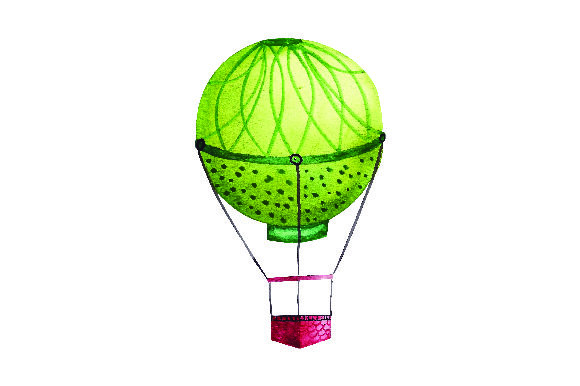
Green Hot Air Balloon - Watercolor Style
As an experienced embroidery designer and product reviewer, I’ve had the chance to work with a wide range of digital embroidery files. When I first laid eyes on Green Hot Air Balloon - Watercolor Style, it caught my attention for its soft, artistic feel. This design isn’t just another pattern—it has personality and charm that immediately suggest it’s meant for thoughtful, handmade projects.
A Mood of Calm and Creativity
The Green Hot Air Balloon - Watercolor Style exudes a sense of tranquility and whimsy. The watercolor effect gives it a dreamlike quality, perfect for those who want their embroidered items to look like something from a storybook or a quiet afternoon in the countryside. The balloon floats gently across the canvas, surrounded by subtle brush strokes that add texture without overwhelming the eye. It’s not too busy, but it’s also not flat or lifeless. That balance is key when choosing a design that needs to translate well into real-world embroidery.
I see this as a versatile asset for custom apparel and accessories—especially if you're aiming for a soft, elegant finish. The theme feels nostalgic yet modern, making it ideal for both personal gifts and boutique-level products. Its layout is centered and rounded, which helps it sit nicely on curved surfaces like caps or mugs, though more on that later.
Visual Personality and Project Fit
This design naturally belongs on items like tote bags, sweatshirts, aprons, or pillow covers where a bit of visual interest can elevate the overall look. It works especially well for handmade products or personalized gifts—think baby clothes, nursery decor, or holiday-themed keepsakes. The detail level is moderate, so it doesn’t get lost on larger formats, but it also doesn’t demand extreme precision for smaller ones.
If you’re an Etsy seller or run a small shop, this could be a great addition to your seasonal offerings. The watercolor style makes it stand out from the usual geometric or solid-color designs, giving customers a fresh, artistic option for their wardrobe or home décor.
Real-World Embroidery Performance
Let’s talk about how Green Hot Air Balloon - Watercolor Style holds up in actual embroidery scenarios. I recently tested it on a sweatshirt embroidery project and was impressed by how it stitched out cleanly. The stitch density is consistent enough to avoid puckering on medium-weight knits, while still allowing for some flexibility in thread choice.
Here are a few places where this design shines:
- Tote Bag Design: The balloon floats beautifully across the canvas of a cotton canvas tote, adding a touch of elegance without being overpowering.
- Custom Apparel: On a cotton-polyester sweatshirt, the colors remained vibrant and the lines were sharp enough to maintain the watercolor aesthetic.
- Personalized Gifts: Stitched onto a felt patch for a child’s backpack, it became a standout feature with minimal effort.
- Boutique Branding: Used subtly on aprons or tea towels, it brings a cohesive, brand-friendly look to small shop merchandise.
- Holiday Embroidery: As part of a festive gift set, the design added a soft, celebratory flair that resonated well with customers.
It’s clear that this machine embroidery design is crafted with care. The use of satiny outlines and gentle fill stitches ensures that the final product looks polished and professional. But as with any design, there are some limitations to consider before using it in production.
Where to Use It Carefully
While Green Hot Air Balloon - Watercolor Style is a strong visual, it does require some consideration depending on the fabric and application:
- Small Hoop Sizes: The design is detailed enough that shrinking it may lose important elements. Always check the minimum recommended hoop size.
- Textured Fabrics: The delicate nature of the watercolor lines may not show up clearly on fabrics like denim or flannel without extra stabilizer.
- Thin or Stretchy Fabric: Avoid using it on very sheer materials or spandex blends unless you’re prepared to reinforce the area heavily.
- Dark Backgrounds: The soft green tones may not pop on black or navy fabric. Consider testing a white-on-black version or adjusting thread colors for contrast.
- Curved Surfaces: While the shape is round, intricate corners might distort slightly on curved areas like baseball caps. Always do a test stitch before committing.
- Frequent Washing: If you plan to use it on kitchen towels or baby clothes, make sure the threads are colorfast and the stabilizer is properly removed post-wash.
Design Impact and Customer Appeal
In terms of visual appeal, this design adds a layer of sophistication to otherwise simple items. It’s not loud, but it’s memorable—something that will catch the eye of a customer browsing through handmade goods at a craft fair or online store. The stitching clarity is good, provided you choose the right fabric and machine settings.
From a business standpoint, it enhances the product value and builds customer trust. People associate clean, artistic embroidery with quality craftsmanship. When applied correctly, it can give your handmade product that extra edge that makes it desirable as a personalized gift or a commercial item.
For craft business owners and digital product sellers, this design can serve as a reliable design asset that fits into multiple product lines. It offers a sense of professionalism and uniqueness that aligns well with brand consistency, especially if your aesthetic leans towards soft, organic themes.
Designer Notes for Best Results
Before jumping into a full batch of embroidery projects, here are some practical tips to ensure the best outcome:
- Test on Scrap Fabric First: Especially if you’re planning to scale up or use it on a new type of material.
- Check Thread Color Contrast: Make sure the greens used in the design will show up well against your chosen background fabric.
- Review Stitch Density: Adjust tension and stitch length if necessary to prevent puckering or distortion.
- Confirm Hoop Size: Don’t assume; always verify the smallest hoop that will maintain the design's integrity.
- Inspect Small Details: Look closely at the brush strokes and outlines to ensure they won’t disappear after washing or stretching.
- Use Proper Stabilizer: A tear-away or cut-away stabilizer can help preserve the shape and detail of the balloon, particularly on stretchier or thicker materials.
- Test in Black and White Mockups: To evaluate how the design will look in grayscale or on unexpected backgrounds.
- Compare Light and Dark Fabrics: See which options highlight the watercolor style best and which might need additional enhancements.
- Confirm Licensing Before Selling: If you're an Etsy seller or working with commercial embroidery, double-check whether the file allows resale of finished products or digital downloads.
Final Thoughts for the Maker and Seller
Green Hot Air Balloon - Watercolor Style is a design that speaks to the soul of creative entrepreneurs and hobbyists alike. It’s not just about the image—it’s about the feeling it evokes. Whether you're crafting a one-of-a-kind holiday gift or preparing inventory for a small shop product line, this design can be a meaningful addition to your portfolio.
What I appreciate most is how adaptable it is. With the right choices in fabric, thread, and stabilizer, it can perform reliably across a variety of applications. And for those looking to offer printable mockups or digital embroidery files as downloadable assets, it presents a cohesive and attractive option that buyers are likely to recognize and trust.
Just remember: every design has its limits. Treat Green Hot Air Balloon - Watercolor Style with the respect it deserves, and it will reward you with beautiful, professional results that speak volumes for your craft business and creative vision.