Humpback Whale in Watercolor: A Versatile Graphic Design Asset for Content Creators
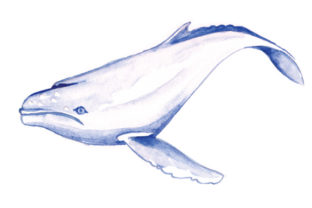
As a seasoned blog designer and digital publisher, I’m always on the lookout for high-quality graphic design assets that elevate the visual storytelling of content. Recently, I came across the "Humpback Whale in Watercolor" from a popular creative marketplace, and it immediately caught my eye. This asset isn’t just another animal illustration; it’s a beautifully rendered piece with the kind of softness and elegance that can transform how your audience perceives your content.
Elegance Meets Nature: The Editorial Mood It Sets
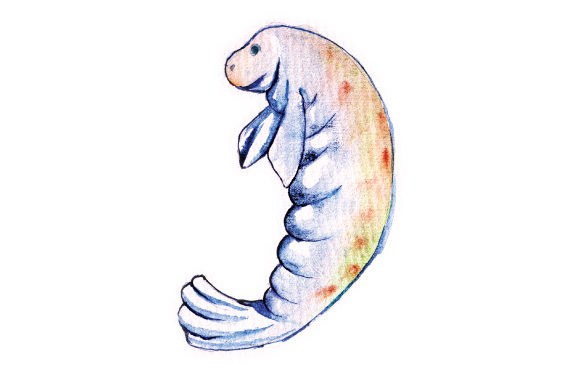
The Humpback Whale in Watercolor exudes a calm, artistic energy that feels both modern and timeless. Its gentle hues and fluid brushstrokes suggest a lifestyle or nature-focused editorial style, making it ideal for blogs and websites centered around environmental topics, marine life, or wellness themes. The whale is depicted in a way that evokes serenity and curiosity—perfect for articles about ocean conservation, travel to coastal destinations, or even mindfulness practices inspired by the sea.
This design naturally supports niches like educational content, eco-conscious marketing, and digital storytelling. It doesn’t feel overly commercial, which makes it especially valuable for content creators who want to maintain an authentic, trustworthy brand identity while still appearing polished and professional.
Real-World Publishing Applications for Bloggers and Marketers
When considering real use cases, this asset shines in several key areas:
- Blog Featured Images: The Humpback Whale in Watercolor adds a touch of sophistication to featured images, especially when paired with clean typography and minimal text overlays.
- Pinterest Graphics: With its soft watercolor aesthetic, this image works well as a Pinterest pin. It invites engagement without overwhelming the viewer, and the organic shapes help it blend seamlessly into curated boards.
- Article Headers and Website Banners: Use it as a subtle background or overlay element in headers to create a calming first impression. For banners, pair it with a bold headline to contrast the gentle visuals and draw attention.
- Newsletter Headers and Lead Magnets: The whale illustration can be used to introduce newsletters or downloadable resources such as digital guides, worksheets, or printables related to oceanic themes.
- Social Media Previews: Whether you're promoting a YouTube video or sharing a podcast episode about marine biology, this graphic helps set the tone and attract clicks.
- Canva Templates and Digital Ads: Incorporate it into Canva templates or ad creatives to add a unique visual flair. It works especially well in lifestyle-oriented campaigns or content upgrades.
Supporting Stronger Visual Communication
In editorial design, the right imagery can make all the difference. The Humpback Whale in Watercolor contributes to stronger visual hierarchy by guiding the reader's eye through the page with its natural flow and placement. Its artistic style ensures that it complements rather than competes with text, which is crucial when designing content pages that need to be scannable and engaging.
For digital marketers and affiliate bloggers, using this asset can boost click-through potential. The whale's expressive form and inviting color palette can make your blog posts, landing pages, or social media updates more clickable—especially if your niche relates to travel, education, or environmental advocacy.
Where This Design Works Best
The Humpback Whale in Watercolor thrives in spaces where aesthetics and atmosphere matter:
- Hero Images: It creates a welcoming mood for homepage sections focused on animals or nature-based content.
- Category Thumbnails: If your site has a section dedicated to wildlife or oceanic topics, this graphic enhances category recognition instantly.
- Printable Designs: It looks stunning on digital downloads like coloring pages, wall art, or educational materials for kids learning about marine life.
- Content Upgrades: Pair it with a PDF guide or worksheet to increase perceived value and encourage sign-ups.
- Editorial Accents: Use it as a sidebar graphic, post divider, or infographic background to reinforce your theme subtly.
Where Caution Is Advised
While versatile, there are scenarios where this asset might not perform optimally. Avoid using it in:
- Small Mobile Thumbnails: The intricate details may get lost at lower resolutions, reducing impact.
- Text-Heavy Blog Images: Overloading the image with too many words could clash with the soft, flowing style of the whale.
- Busy Layouts: The design’s subtlety needs room to breathe; placing it in cluttered sections may dilute its effectiveness.
- Corporate or Minimalist Sites: If your brand relies on stark, modern visuals, the watercolor style may feel out of place unless intentionally integrated.
Always test it within the context of your existing design language to ensure it aligns with your brand identity.
Practical Tips for Optimal Use
Here are some actionable steps to ensure this design performs well in your publishing workflow:
- Test Across Devices: Preview the Humpback Whale in Watercolor on both desktop and mobile screens to see how it adapts.
- Thumbnail Check: Resize it to thumbnail dimensions and assess whether it still conveys the intended message clearly.
- Layout Integration: Place it into a real blog layout to evaluate how it interacts with fonts, colors, and other elements.
- Headline Pairing: Try combining it with different headline styles—serif, sans serif, script, handwritten, and display fonts—to find the best match.
- Contrast and Readability: Ensure any text placed over the image remains legible. Consider adding a semi-transparent overlay or adjusting font color for better readability.
- Black-and-White Testing: Some platforms may automatically convert images to grayscale. Make sure the whale still stands out visually in monochrome.
- File Size Optimization: Compress the image appropriately for web use to maintain fast loading times and good SEO performance.
- Commercial Licensing: Always confirm that the asset includes a commercial license before using it in monetized environments like affiliate pages, paid digital products, or media kits.
Enhancing Brand Identity Through Creative Design
One of the standout features of the Humpback Whale in Watercolor is how it can contribute to a consistent and memorable brand identity. For small business branding, especially those targeting a feminine or eco-friendly demographic, this asset brings warmth and authenticity to your visuals. It can become a signature element across your website, newsletters, and social media channels, reinforcing your visual identity and helping readers recognize your content at a glance.
Using the same whale motif across multiple design assets allows you to build a cohesive look that strengthens your position in the content marketing landscape. When consistency meets creativity, you gain a competitive edge in both aesthetics and audience trust.
Final Thoughts for Digital Publishers
The Humpback Whale in Watercolor is more than just an attractive graphic design asset—it’s a tool that supports deeper editorial goals. Whether you’re crafting a blog graphic, designing a lead magnet, or enhancing your web design with a meaningful touch of nature, this illustration offers flexibility and emotional resonance.
For those in affiliate marketing or selling digital downloads, incorporating this whale into your printable design or digital guide can make your offerings stand out. It speaks to the heart of what we do as content creators: to engage, educate, and inspire our audiences with every visual choice we make.
Use it wisely, test it thoroughly, and let the Humpback Whale in Watercolor bring a sense of wonder and professionalism to your next project.