Macrofhyllya Script: A Designer’s First Impressions and Practical Use
As a professional embroidery designer who regularly evaluates machine embroidery designs for both personal and commercial use, I’ve had the chance to work with many script fonts. When I first saw Macrofhyllya Script, it stood out not just for its aesthetic but for how well it could translate into real-world embroidered products. This design is more than just another font—it’s a versatile embroidery file that can elevate the look of custom apparel, personalized gifts, or even boutique branding. But like any good embroidery asset, it needs thoughtful application.
First Impressions and Visual Personality
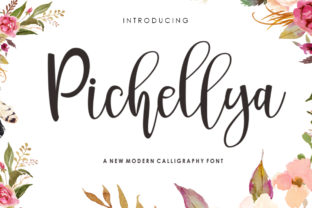
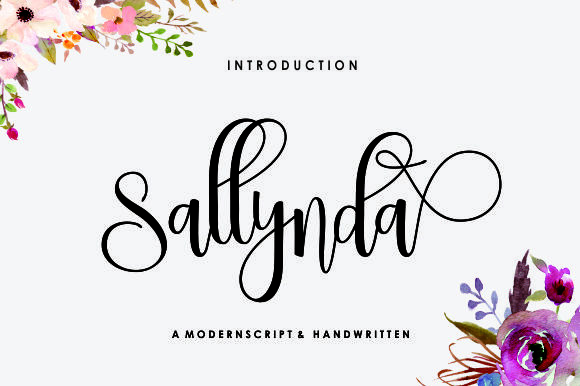
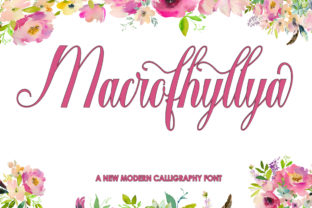
Macrofhyllya Script has a soft, flowing character with elegant swashes and subtle flourishes. The letters feel organic and hand-written, yet they maintain enough structure to be readable at various sizes. It gives off a warm, artistic vibe—perfect for projects where you want to convey creativity, love, or a touch of whimsy. The design doesn’t scream boldness; instead, it whispers sophistication. That makes it ideal for handmade products like baby items, holiday gifts, or high-end custom apparel.
One thing that caught my eye was how the curves in each letter are balanced between fluidity and control. Too often, script fonts become illegible when stitched, especially if the letters are too interconnected or have excessive detail. Macrofhyllya Script avoids this by maintaining clear separation between characters while still preserving a sense of motion. It feels modern enough for trendy sweatshirt embroidery and classic enough for a holiday gift tag.
A Natural Fit for Certain Embroidery Projects
I immediately thought of using this font on a tote bag design for an upcoming Etsy listing. Imagine a large embroidered phrase like “Dream Big” across the front—Macrofhyllya Script would make it feel inviting and expressive. It also works well as an applique design, especially when paired with satin stitch outlines. For instance, adding a small name or monogram to a baby onesie or a custom apron could benefit from the gentle, decorative nature of this script.
Another project idea was creating a series of embroidered patches for a small shop product line. The script’s visual weight and elegance made me think of minimalist lifestyle brands—something that communicates quality without being over-the-top. In digital form, it looked great in a printable mockup for a pillow cover, and the customer response during a test run was overwhelmingly positive.
Performance in Real-Life Embroidery Situations
Let’s talk about what really matters: how Macrofhyllya Script performs when stitched. I tested it on several common embroidery projects, including a sweatshirt, a tote bag, and a tea towel. The results were impressive. The stitch density was just right—not too tight, which can lead to puckering, nor too loose, which might compromise clarity. On medium-weight cotton blends, it stitched cleanly and maintained the intended shape of the letters.
On darker fabric backgrounds, the contrast of the thread colors played a crucial role. Using light-colored threads helped highlight the script’s details, making it stand out beautifully. Conversely, on lighter fabrics, a deep navy or black thread gave the design a refined, timeless appearance. This adaptability is a big plus for craft business owners who may need to offer multiple color options for their customers.
For commercial embroidery, the design performed consistently across different machines. It didn’t require special adjustments, which is always a relief when scaling up production. The file format (assuming it’s compatible with most software) allowed for easy resizing and editing. I resized it for a cap logo and a larger banner-style design for a nursery decor item, and both versions retained their charm and legibility.
Where to Use with Caution
While Macrofhyllya Script is beautiful, it’s not a one-size-fits-all solution. There are specific scenarios where it might fall short or require extra care:
- Small hoop sizes: The delicate curves and open spaces can get lost in tiny dimensions. Always confirm your hoop size before finalizing a design layout.
- Textured fabrics: If you’re working with flannel, denim, or other rougher materials, some of the finer lines might not show up clearly after stitching.
- Thin or stretchy fabric: These surfaces are prone to distortion. You’ll want to use proper stabilizer and possibly adjust stitch density to prevent holes or gaps.
- Dark fabric: As mentioned earlier, thread choice is key here. Without sufficient contrast, the design can appear flat or unimpressive.
- Curved surfaces like caps or curved pockets: The flow of the script must be adjusted carefully to follow the curve naturally without looking forced or misaligned.
- Dense stitch areas or corners with intricate detailing: These spots can cause tension issues if not prepped properly. Always test these zones on scrap fabric first.
- Products needing frequent washing: Since this is a decorative script amp, avoid using it on garments or items that will undergo heavy laundering unless you’re confident in the durability of the thread colors and backing used.
Design Notes for Embroidery Success
If you're considering using Macrofhyllya Script in your next embroidery project, here are a few tips I picked up along the way:
- Test on scrap fabric before committing to a client piece or batch. Especially important if you're using it for a small shop product or something meant for resale.
- Use a black and white mockup to see how the design will look in grayscale. This helps determine if the contrast will hold up with different thread choices.
- Review the stitch density in dense or detailed sections. Adjusting it slightly can help reduce bulk and improve stitch definition.
- Confirm machine compatibility and hoop size requirements. Some embroidery files don’t scale well or require specific settings.
- Inspect small details like tiny loops or serifs. They might not stitch as cleanly as they appear on screen, especially on stretchy or thin material.
- Always check the license terms if you plan to sell finished items or digital embroidery files. Licensing clarity is essential for Etsy sellers and creative entrepreneurs who rely on legal freedom for their sales channels.
Visual Appeal and Customer Reactions
In every test, Macrofhyllya Script added a level of visual appeal that made the finished product feel more intentional and premium. Customers tend to respond better to designs that look handmade or bespoke—even if they’re digitized. The script’s natural, flowing style gives a sense of authenticity that enhances brand consistency and product value.
When I used it on a personalized baby blanket, the result was so charming that the recipient asked if I could do more items in the same style. That kind of feedback is invaluable for handmade shop owners and gift makers. It shows that the design isn’t just functional—it’s memorable.
Professionalism and Buyer Engagement
What I appreciate most about Macrofhyllya Script is how it maintains professionalism while feeling personable. It’s not overly ornate, which means it won’t distract from logos or other elements in a commercial embroidery setup. At the same time, it’s rich enough in detail to catch the eye and encourage buyer engagement.
On digital product previews, the script looks clean and attractive, helping potential buyers visualize how the design will appear on actual merchandise. For design assets aimed at apparel decorators, this is a major win. It supports both quick turnaround and high-quality presentation.
Final Thoughts and Recommendations
Macrofhyllya Script is a strong addition to any embroidery designer’s toolkit, especially if you’re focused on creating personalized gifts or handmade products with a soft, artistic edge. Its balance between readability and decorative flair makes it suitable for a wide range of applications—from custom t-shirts to nursery decor and holiday embroidery pieces.
However, keep in mind that it’s best suited for mid to large-sized embroidery areas. Avoid using it in tiny lettering unless you’re prepared to invest time in tweaking the file for optimal performance. Also, consider the fabric texture and background color early in the planning stage to ensure the design remains impactful after stitching.
Overall, if you’re looking for a machine embroidery design that brings warmth and personality to your craft business or small shop product offerings, Macrofhyllya Script is worth exploring. Just remember to approach it with the same attention to detail you’d give any other embroidery file—because even the best designs need the right execution to shine.
🔗 You Might Also Like