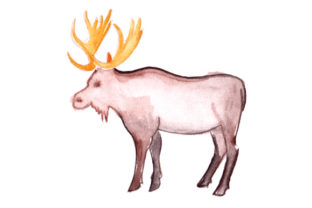
Moose in Watercolor: A Versatile Animal Graphic for Handmade Creations
As a seasoned handmade product creator who's spent years designing and selling on Etsy, at craft fairs, and through small business branding projects, I always look for graphic design assets that feel both unique and functional. Moose in Watercolor caught my attention the moment I saw it—its soft hues and delicate brushstrokes immediately suggested a warm, artistic vibe that could elevate any project from simple to stunning.
First Impressions and Visual Personality
The Moose in Watercolor illustration has a gentle, whimsical quality that leans into cozy and rustic themes. It’s not bold or loud, but rather inviting and elegant, with subtle textures that mimic real watercolor strokes. This makes it ideal for designs targeting customers who appreciate handcrafted aesthetics, nature-inspired art, and minimalistic yet meaningful visuals.
I can already picture this asset on a set of personalized mugs for a fall collection or as part of a holiday-themed greeting card line. Its charm is timeless, which means it can easily be repurposed across seasons and product types without feeling outdated.
Who Will Love Moose in Watercolor?
- Crafters who value authenticity: The watercolor style feels handmade and organic, perfect for those aiming to maintain a natural, artisanal look.
- Etsy sellers focusing on seasonal products: Whether you're creating Halloween party favors or Christmas gift tags, this moose brings a touch of warmth and character.
- DIY creators working with Cricut or Silhouette: The clean lines and soft colors work well with print-on-demand materials like vinyl, sublimation ink, and heat transfer paper.
- Handmade business owners looking to brand their shop: This design adds personality to packaging, labels, and even social media templates.
Real-World Crafting Applications
Moose in Watercolor isn’t just another animal clipart—it’s an illustration that can adapt to various mediums and uses. Here are some practical applications I’ve considered based on my crafting workflow and experience with customer orders:
- Tumbler wraps: The moose looks great when scaled up. Its soft edges complement matte finishes and add a decorative accent to reusable tumblers.
- Greeting cards and thank-you notes: Pairing the illustration with handwritten-style fonts gives a personal and premium feel.
- Printable wall art: When printed in high resolution, the watercolor texture really shines. Use it as a standalone piece or part of a nature-themed digital product.
- Planner stickers and scrapbooking accents: The moose works beautifully as a filler element or featured subject in layouts. Just make sure to simplify if needed for layered designs.
- Vinyl cutting for tote bags and shirts: As long as you’re using a solid background, the moose design can translate well to fabric. Test the SVG lines before committing to large batches.
- Sublimation design: Confirm the PNG transparency and resolution to ensure it prints clearly on white and dark substrates alike.
- Handmade packaging and gift tags: This design brings a touch of elegance and originality to your branding, especially when paired with serif or script typography.
Best Uses for Moose in Watercolor
- Large cut files: The moose’s size allows for intricate details while maintaining clarity. Great for canvas prints, wood signs, or acrylic keychains.
- Clean printable layouts: Perfect for digital downloads or printables where a soft, artistic feel is desired.
- Seasonal craft bundles: Incorporate it into autumn or winter-themed collections, such as forest animals or cabin retreats.
- Gift products: From mugs to stickers, this design adds a thoughtful touch to personalized items.
- Decorative accents: Use it as a supporting element in larger compositions, like alongside trees or other wildlife illustrations.
- Product mockups: The moose fits seamlessly into lifestyle mockups, helping you showcase your offerings professionally on your creative marketplace listings.
Use With Caution
While Moose in Watercolor is versatile, there are certain scenarios where it might not perform as expected:
- Very small cutting details: The fine brushwork doesn’t scale down well. Avoid using it for tiny stickers or embroidery unless simplified significantly.
- Thin lines and crowded compositions: If you're layering multiple elements or need sharp contrast, this design may get lost or become visually cluttered.
- Low-contrast color schemes: The soft tones might fade if used on busy backgrounds or with poor lighting in photos.
- Layered vinyl projects: Due to its detailed nature, resizing for multiple layers can lead to inconsistencies in the final product.
- Small sticker sizes: Without careful scaling, the watercolor effects can lose definition.
Technical Tips for Using Moose in Watercolor
Before diving into production, here are a few key steps I recommend to every crafter and handmade business owner:
- Test the file before selling finished products: Always do a trial run. Print a sample t-shirt or create a mockup of a mug to see how it translates physically.
- Check if SVG lines are clean: Import the file into your design software and zoom in. Make sure there are no jagged lines or unnecessary nodes that could cause issues during cutting.
- Preview PNG transparency: If using for print-on-demand or digital mockups, verify that the background is fully transparent and the moose stands out clearly.
- Confirm resolution for sublimation: Sublimation printing requires high-quality images. Ensure the PNG is at least 600dpi for best results.
- Test colors before printing: Some printers may alter the soft pastel tones slightly. Printing a test swatch helps avoid unexpected color shifts.
- Check how it looks on white and dark products: The moose should remain visible and appealing regardless of the base color. Adjust opacity or add outlines if necessary.
- Place it on real mockups: Don’t rely solely on generated mockups—use actual photos of your products with the design applied to catch lighting and texture differences.
- Resize it for different products: Scale carefully. Too much compression can ruin the watercolor effect, while too little won’t show up properly on smaller items.
- Simplify the layout if needed: Remove background textures or soften edges if blending into a more modern or minimalist aesthetic.
- Pair it with the right font styles: Try combining it with a serif font for classic appeal, a sans-serif for modern simplicity, or a script/handwritten font for a more personal feel.
- Confirm commercial licensing before using it for customer orders: Make sure the designer offers a commercial license if you plan to sell products featuring the moose.
Why It Works for Handmade Businesses
One of the reasons I’m drawn to Moose in Watercolor is its ability to stand alone or integrate into broader themes. For a small business, consistency across product lines is key. This illustration helps build a cohesive brand identity—especially if you’re leaning into a woodland or nature motif.
It also opens doors for cross-selling. Think about pairing it with other animal illustrations in a design bundle for a themed collection. Customers love variety, and having a consistent visual language across products builds trust and familiarity.
Final Thoughts on Moose in Watercolor
In my experience, the right graphic design asset can save hours of work and elevate your product offerings. Moose in Watercolor is one of those rare finds—a design that feels authentic, looks professional, and adapts well to a wide range of handmade formats.
If you're an Etsy seller, a Cricut enthusiast, or someone building a seasonal collection for your next craft fair, this illustration deserves a place in your toolkit. Just remember to test, adjust, and always verify the commercial license before moving forward with customer orders.
Overall, I’d say Moose in Watercolor is a strong addition to any handmade product line. It brings creativity, character, and a dash of wilderness to your creations—whether they're stickers, mugs, or branded packaging for your growing business.