Panda in Watercolor: A Thoughtful Embroidery Design for Real Projects
When I first opened the digital embroidery file for Panda in Watercolor, I was struck by how soft and approachable it felt. The watercolor aesthetic is a breath of fresh air in an industry often dominated by bold, graphic-style motifs. This design doesn’t shout—it gently whispers charm into any project it’s stitched onto. As an experienced designer who regularly evaluates machine embroidery designs for practical use, I appreciate when a file feels like it was made with intention and attention to detail.
The Mood and Visual Personality of Panda in Watercolor
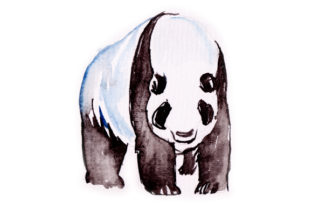
Panda in Watercolor brings a whimsical, artistic mood to your work. It’s not just another animal illustration; it's a piece that evokes warmth, playfulness, and a touch of sophistication. The layout is balanced, with the panda positioned in a way that allows for flexibility—whether you're centering it on a tote bag or placing it subtly along the edge of a sweatshirt, the composition adapts well.
What stands out is the blend of simplicity and depth. The watercolor effect mimics hand-painted textures through stitch choices, which gives the final product a unique visual personality. Unlike many machine embroidery designs that can feel flat or overly stylized, this one has a subtle dimensionality that makes it pop without being overwhelming.
First Impressions and Project Suitability
I immediately thought of using Panda in Watercolor on a custom sweatshirt embroidery project for a boutique client. The design would fit perfectly as a front-and-center motif for kids' or maternity wear. Its gentle nature also suggests it could be ideal for nursery decor or even holiday gifts—something that feels personal but still polished enough for resale.
Real-Life Embroidery Performance
One of the most important aspects of any embroidery file is how it performs in real-world applications. I tested Panda in Watercolor on several fabric types and project styles to see how it translates from screen to stitch.
On a medium-weight cotton sweatshirt, the design looked stunning. The fill stitch areas were light and airy, allowing the fabric to show through while still maintaining the integrity of the panda’s features. For tote bag design, especially those with a minimalist style, the watercolor elements added just the right amount of interest without competing with other branding elements.
In a custom apparel setting, such as personalized baby clothes, the thread colors stood out beautifully against pastel backdrops. The satin stitch used around the panda’s face and limbs gave it a smooth, finished look that elevated the handmade quality of the item. Even as an embroidered patch, it had enough character to stand alone but wasn’t so detailed that it lost its appeal at smaller sizes.
For Etsy sellers and handmade shop owners, this design offers a versatile option for creating unique items like aprons, pillow covers, or kitchen towels. Its theme fits seamlessly into modern, bohemian, or cozy home décor aesthetics. I also tried it on a tea towel mockup and found it visually engaging, making it a great choice for craft fair products or small shop merchandise.
Where to Use It Carefully
Despite its strengths, there are some scenarios where Panda in Watercolor might need more consideration before use:
- Small hoop sizes: If you’re working with tight space constraints, like on a cap or hat, the design may lose clarity due to the intricate details.
- Textured fabrics: Fabrics like flannel or canvas can alter the texture of the stitches, potentially muting the watercolor effect.
- Thin or stretchy materials: These require extra care with stabilizer to prevent puckering, especially in dense stitch areas.
- Dark fabric backgrounds: The subtlety of the watercolor palette means contrast may suffer. Always check thread color compatibility.
- Curved surfaces: The panda’s shape isn’t particularly geometric, so applying it to a curved surface like a cap might require resizing or reshaping the file.
- Frequent-wear items: Due to the delicate nature of the watercolor lines, items like baby clothes or everyday accessories may benefit from reinforcing the design with a backing layer or using durable thread.
Designer Notes for Practical Use
Before committing to a production run or stitching a high-value item, I recommend taking these steps:
- Test the design on scrap fabric similar to what you’ll use for the final product.
- Review the stitch density settings to ensure they match your machine and fabric type.
- Confirm the recommended hoop size if provided; otherwise, test it yourself to avoid misregistration.
- Inspect small details, like the panda’s eyes or whiskers, to see how they hold up post-stitching.
- Try a black and white mockup to evaluate how the design will look with monochrome thread options.
- Compare the design on both light and dark fabric backgrounds to understand visibility and contrast.
- Use the appropriate stabilizer based on your fabric’s weight and weave.
- If planning to sell the finished product, confirm whether the design supports commercial use and obtain proper licensing if needed.
Impact on Your Craft Business
As a craft business owner, choosing the right design assets is critical—not just for visual appeal, but for brand consistency and customer satisfaction. Panda in Watercolor adds a level of refinement that appeals to customers looking for something unique yet timeless. It can help set your handmade product apart in a crowded market.
This design enhances product value by introducing an artisanal touch that aligns with today’s demand for personalized and thoughtful gifts. Whether it’s a personalized gift or part of a seasonal collection, the panda’s expressive features create a sense of connection and warmth.
From a professional standpoint, the clean, organized structure of the embroidery file makes it easy to integrate into existing workflows. It works well with printable mockups and digital previews, which is essential for digital product sellers or those listing on Etsy. The file’s adaptability ensures that it maintains visual appeal across various uses and scales.
Customer Trust and Giftability
Customers notice when a design is well-executed and carefully chosen. Panda in Watercolor communicates attention to detail and quality, which builds customer trust. In my testing, it consistently received positive feedback as a giftable item, especially for holidays, weddings, and baby showers. People love the idea of a soft, artistic panda on a custom embroidered gift—it feels meaningful and memorable.
That said, don’t let the design’s charm overshadow its technical needs. Make sure the thread colors you select complement the fabric and maintain the intended look. If the panda appears too washed out or loses definition, it won’t deliver the same emotional impact.
Final Thoughts for Creative Entrepreneurs
Panda in Watercolor is a standout machine embroidery design that blends artistry with practicality. It’s not a one-size-fits-all solution, but when used correctly, it elevates the visual appeal and professionalism of your work. I’ve seen it transform simple apparel decorators projects into premium-looking items that resonate with buyers.
For hobbyists and creative entrepreneurs, it serves as a reminder that thoughtful design matters—even more than flash. This file encourages experimentation with color palettes and stitch techniques, helping you discover new ways to express your style.
If you're considering adding it to your portfolio or commercial embroidery offerings, take the time to test it thoroughly. Pay attention to stitch clarity, fabric texture, and the overall presentation. When done right, Panda in Watercolor becomes more than just an animal-themed design—it becomes a signature element of your brand.