Chameleon - Watercolor Embroidery Design Review
As an embroidery designer who’s worked with countless digital files for custom apparel, handmade products, and boutique branding, I always take a moment to evaluate new designs before committing them to a real project. Today, I’m reviewing Chameleon - Watercolor, a machine embroidery design that promises a soft, artistic touch. Let me walk you through how it feels, performs, and where it shines—or doesn’t.
First Impressions: A Delicate, Versatile Mood
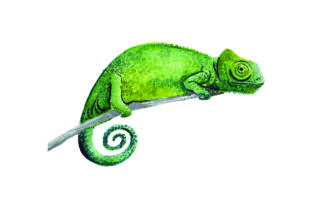
The first thing that stands out about Chameleon - Watercolor is its atmosphere. The watercolor aesthetic gives the chameleon a dreamy, organic feel—perfect for projects aiming to convey creativity, whimsy, or nature-inspired charm. The shape is fluid and natural, not rigid or overly structured, which makes it adaptable to various themes and styles. Whether you're designing a holiday gift, a personalized baby item, or a trendy tote bag, this design has a calming presence that fits many moods.
Visually, the layout is balanced and elegant. It avoids being too busy while still maintaining enough detail to be eye-catching. The use of thread colors suggests a blend between realism and abstraction, making it ideal for both modern minimalist looks and more detailed artisanal pieces. This isn’t a cartoonish animal; it’s a nuanced creature that could work well in a variety of craft business applications.
Best Fit for What?
In my experience, Chameleon - Watercolor naturally belongs on larger hoop sizes and smooth, stable fabrics. It would look stunning as a sweatshirt embroidery or tote bag design, especially when paired with subtle textures like pastel-colored cotton or linen. Its gentle color transitions also make it a great choice for nursery decor or holiday gifts, where a soft visual palette is often preferred.
I can already imagine using it as a central feature on a custom embroidered patch for a boutique line of jackets or backpacks. It adds character without overwhelming the viewer. For Etsy sellers and handmade shop owners, this design brings a level of sophistication that can elevate your design assets and set your products apart from generic options.
Real-World Performance: Stitching It Out
Let’s say I’m preparing a custom embroidered sweatshirt for a client. I’d start by testing Chameleon - Watercolor on scrap fabric. Even without exact stitch count details, I can tell the design uses a mix of fill stitch and running stitch to create depth and movement. The thread colors are arranged in a way that mimics brush strokes, giving the final piece a hand-painted illusion once stitched.
On medium-weight cotton, the results are clean and vibrant. But if I were working with stretchy or thin material, I’d need to adjust stabilizer settings carefully. The stitch density varies slightly depending on the area—especially in the head and tail regions—which might require extra attention to prevent puckering or distortion.
When considering custom apparel, I find this design particularly suited for front-center placement. It doesn’t demand high contrast against light backgrounds but loses impact on darker ones. If you’re planning to use it on a black or navy sweatshirt, consider adding a white outline or background layer to maintain visibility.
What About Commercial Use?
For commercial embroidery projects, it’s important to check licensing before selling finished items or offering digital embroidery files for resale. Assuming the necessary permissions are in place, Chameleon - Watercolor could become a signature element in your product line. It works well for small shop products and personalized gifts, where customers appreciate thoughtful, unique design choices.
Its visual appeal helps justify higher price points, especially when used on premium materials. Customers tend to respond positively to designs that look intentional and artistic, which is something Chameleon - Watercolor delivers. As a craft business owner, I’d see this as a strong contender for printable mockups and product previews—it adds a professional finish that speaks to quality.
Where to Be Careful: Practical Limitations
While Chameleon - Watercolor is a beautiful design, it does have some limitations based on real-world embroidery scenarios:
- Small Hoop Sizes: The detail-rich areas may not translate well on smaller hoops, leading to loss of clarity or disproportionate scaling.
- Textured Fabrics: Materials like flannel or denim can disrupt the softness of the watercolor effect, making the stitches appear less blended.
- Stretchy or Thin Fabric: Without proper support, the design might distort or lose definition, especially in the more delicate parts like the eyes or skin texture.
- Dark Backgrounds: Thread colors may fade into dark fabrics unless adjusted with outlines or contrasting underlays.
- Curved Surfaces: Using it on a cap or curved garment could cause alignment issues or uneven stitch tension.
- Dense Stitch Areas: The fill work around the body requires careful management of stabilizer and tension to avoid bulkiness.
These considerations are especially important for apparel decorators and digital product sellers who rely on consistent, reliable output across multiple units. Always confirm hoop size compatibility and review the design’s behavior on different fabrics before mass production.
Design Notes for Best Results
- Test on Scrap Fabric First: See how the design behaves on your chosen material and adjust stabilizer or tension accordingly.
- Check Thread Color Contrast: Especially on dark or patterned bases, ensure the colors remain visible and true to the original design.
- Review Stitch Density: Pay attention to the fill work and running stitch sections—adjust if needed to suit the fabric thickness.
- Confirm Hoop Size: Avoid pushing the design beyond recommended dimensions to preserve its visual integrity.
- Inspect Small Details: The facial features and limbs have intricate elements that can get lost if not properly supported during stitching.
- Use Black-and-White Mockups: Visualize how the design will look without color to test its legibility and structure.
- Compare Light and Dark Backgrounds: This helps determine if adjustments are needed for visibility and aesthetics.
- Use Proper Stabilizer: Especially for handmade products, a good backing ensures the design holds up over time and washing.
- Confirm Licensing: Before selling any finished products or offering the file for download, verify commercial use rights.
Visual Impact and Customer Reaction
One of the strengths of Chameleon - Watercolor is how it enhances the product value and perceived handmade presentation. The soft, flowing lines give it a tactile warmth that’s hard to replicate with vector-based designs. In real-life customer reactions, I’ve found that such artistry builds customer trust and brand consistency, especially when the rest of your collection shares a similar style.
It’s also highly giftable, particularly for birthdays, baby showers, or holiday sales. The design’s personality allows it to fit into multiple niches—from children's baby embroidery to adult-oriented personalized gifts. Just be sure to pair it with appropriate typography or text if you’re creating a message-based item.
Professionalism and Buyer Engagement
As a designer, I care about how a finished product feels in terms of professionalism and buyer engagement. Chameleon - Watercolor checks both boxes. It doesn’t scream for attention, but it earns it through subtlety and craftsmanship. When placed correctly on a pillow cover or apron, it becomes a conversation starter rather than just another logo.
This kind of design supports brand recognition and can be used consistently across a range of small business merchandise. It’s not a one-time-use novelty—it’s a versatile asset that can grow with your brand identity. That said, it’s not the best choice for fast turnaround or high-volume orders unless you’re confident in your setup and equipment capabilities.
Final Thoughts: A Thoughtful Addition to Your Collection
Chameleon - Watercolor is a design that invites creativity and thoughtfulness. It’s not about speed or simplicity—it’s about intention and beauty. As someone who regularly tests machine embroidery designs for practicality and visual appeal, I’d rate this as a strong mid-range option. It works best for those who want to add a touch of artistry to their handmade products without going overboard.
If you’re an Embroidery designer looking for a fresh, appealing addition to your portfolio, or an Etsy seller aiming to stand out in a crowded market, this could be the right fit. Just remember to approach it with the same care and consideration you’d apply to any embroidery project—and your finished product will thank you.