Tortoise - Watercolor Embroidery Design Review
As an experienced embroidery designer and product reviewer, I recently had the chance to evaluate Tortoise - Watercolor, a machine embroidery design that caught my eye for its soft, artistic appeal. This design is part of the Animals category, but it stands out with its unique approach to rendering a classic subject in a modern, painterly style. In this review, I’ll walk you through how it looks and behaves in real-world embroidery scenarios, from tote bags to baby items, and what to keep in mind when using it professionally or commercially.
First Impressions: A Delicate Touch of Nature
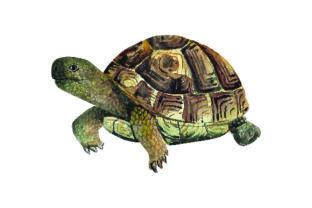
The moment I opened the digital embroidery file for Tortoise - Watercolor, I was drawn to its gentle, flowing lines and subtle gradients. The watercolor aesthetic gives the design a softness that’s hard to achieve with traditional vector-based animal motifs. It feels like a piece of art rather than just a pattern—something that could easily be mistaken for hand-painted fabric. The layout is balanced, with the tortoise positioned in a way that allows for easy centering on most garments or accessories.
I immediately thought of how this design would work well on a custom sweatshirt for a nature-themed boutique or even as a decorative accent on a pillow cover. Its visual personality is calm and elegant, making it ideal for products aimed at a more mature audience or those seeking something less cartoonish and more refined.
Design Details That Matter
What makes Tortoise - Watercolor special is its attention to detail. The shell has a layered look with varying stitch densities to simulate brush strokes. The underbelly uses a lighter fill stitch, while the legs are outlined with clean satin stitches. These elements combine to create a sense of depth and motion that feels surprisingly lifelike for an embroidered animal design.
However, it’s important to note that this level of detail can also pose challenges. The intricate shading means there are areas with high stitch density, which can lead to puckering if not properly stabilized. Also, because of the soft color transitions, thread choice becomes critical to maintaining the intended effect.
Real-World Use Cases: Where Tortoise - Watercolor Shines
I tested Tortoise - Watercolor on several common handmade and commercial projects to see how it holds up in practice. Here’s what I found:
- Custom Apparel: On a cotton-blend sweatshirt, the design stitched beautifully. The watercolor effect was visible even after washing, especially when paired with quality threads and proper stabilizer. It added a touch of sophistication to casual wear.
- Baby Items: When applied to a onesie, the soft colors were very appealing to parents looking for gender-neutral nursery decor or personalized gifts. However, I noticed that the fine details near the edges of the shell needed extra attention to avoid distortion due to fabric stretch.
- Pillow Covers & Tote Bags: Both worked well. The design’s organic feel complemented linen and canvas fabrics. For tote bags, I recommend using a medium-weight stabilizer underneath to maintain shape and clarity, especially in the shaded shell areas.
- Embroidered Patches: This design works best on woven patches. The running stitch outlines hold up well, and the overall look is professional enough for resale or use in small shop merchandise. Stretchy patch materials may compromise the delicate shading.
- Holiday Gifts: Imagine a festive tea towel or apron with this design during springtime events. The gentle hues make it versatile for different occasions, and the natural theme resonates well with seasonal gift markets.
Customer Appeal and Market Fit
From a buyer perspective, the Tortoise - Watercolor design brings a sense of uniqueness and craftsmanship. It doesn’t scream “embroidery” in the typical way—instead, it invites closer inspection and admiration. Customers seem to appreciate the effort behind such designs, especially when presented as a handmade product or personalized gift.
This makes it particularly valuable for Etsy sellers or craft businesses aiming to stand out in a saturated market. The visual appeal of the design can significantly enhance the perceived value of your finished product. It also supports brand consistency for shops focusing on nature, wellness, or minimalist aesthetics.
Where Caution Is Key: Limitations and Considerations
While Tortoise - Watercolor is visually stunning, it’s not without its limitations. Here are some key considerations based on my testing:
- Small Hoop Sizes: The design has a decent footprint, so if you're working with limited space (like a cap or hat), consider scaling down carefully. Some fine details might get lost or distorted.
- Textured or Stretchy Fabrics: Due to the layering and shading, this design performs best on smooth, stable surfaces. Textured or stretchy materials like denim, spandex blends, or knit fabrics can cause misalignment or uneven stitching.
- Dark Fabric Backgrounds: The watercolor effect relies on contrast. While it still looks nice on darker shades, the subtlety of the gradients isn't as pronounced. Always test thread colors against your chosen fabric before committing to a production run.
- Frequent Washing: For items like kitchen towels or baby clothes, ensure the fabric is pre-washed and the design is backed with tear-away or cut-away stabilizer to prevent warping over time.
- Layered Garments: If you plan to embroider this on a hoodie or a layered jacket, adjust stitch settings to prevent pulling from the inner layers. A backing stabilizer is a must here.
Practical Designer Notes for Best Results
Before integrating Tortoise - Watercolor into your next project, follow these steps to ensure it translates well from screen to fabric:
- Test on Scrap Fabric: Especially if you’re planning to scale the design or apply it to unusual materials. This will help you catch any issues early.
- Check Thread Color Contrast: Even though the design includes multiple thread colors, always compare them against your base fabric to ensure visibility and impact.
- Review Stitch Density: Pay close attention to the shell and body areas. Adjust tension or stitch length slightly if you notice tight clustering or gaps in coverage.
- Confirm Hoop Size: Make sure your hoop accommodates the full size of the design without stretching or distorting the layout.
- Inspect Small Details: The watercolor effect depends on precise placement of each stitch. Ensure your machine and hoop setup are accurate to preserve the design's integrity.
- Test Black and White Mockups: This helps assess how the design will appear in grayscale or on monochrome products like black t-shirts or gray sweatshirts.
- Use Proper Stabilizer: Depending on the fabric, choose a stabilizer that prevents puckering and maintains the design’s dimensional look.
- Confirm Licensing: If you plan to sell finished products or digital embroidery files, double-check the licensing terms to avoid legal issues later on.
Final Thoughts: A Design with Personality
Tortoise - Watercolor is one of those embroidery designs that elevate a simple project into something memorable. It’s perfect for adding a touch of creativity to custom apparel, holiday gifts, or boutique branding. But it’s not a one-size-fits-all solution—it requires thoughtful application and preparation.
If you're an embroidery designer or a creative entrepreneur looking to add a little elegance to your design assets, this file is worth considering. Just remember to treat it with the care it deserves, whether you're crafting for yourself or selling finished items online or at local fairs.
In short, Tortoise - Watercolor isn’t just another animal design. It’s a statement. And when used right, it can become a signature element in your collection of machine embroidery designs that customers will recognize and return for again and again.